Diamonds Journey From Homelessness to Hope: Feeling Seen, Stronger and Supported.
Updated: Aug 1
Some days, the heaviest thing a person carries isn’t a bag. It’s the feeling that people have stopped seeing them. Some days, the heaviest thing a person carries isn’t a bag. It’s the feeling that people have stopped seeing them.
That’s what homelessness can do. It can shrink someone’s world down to the next safe place to rest, the next drink of water, the next chance to wash, the next moment without being judged. For Dimond, those challenges weren’t abstract. They were part of daily life.
When our charity met Dimond, he was facing the kind of hardship that wears a person down quietly. He needed practical support, yes. Fresh clothes. Hygiene products. Clean water. But he also needed something that can be just as hard to find when you’re homeless: dignity.
And when those simple items reached him, they meant more than most people might imagine.
“I feel seen,” Dimond told us. “That makes me feel stronger.”
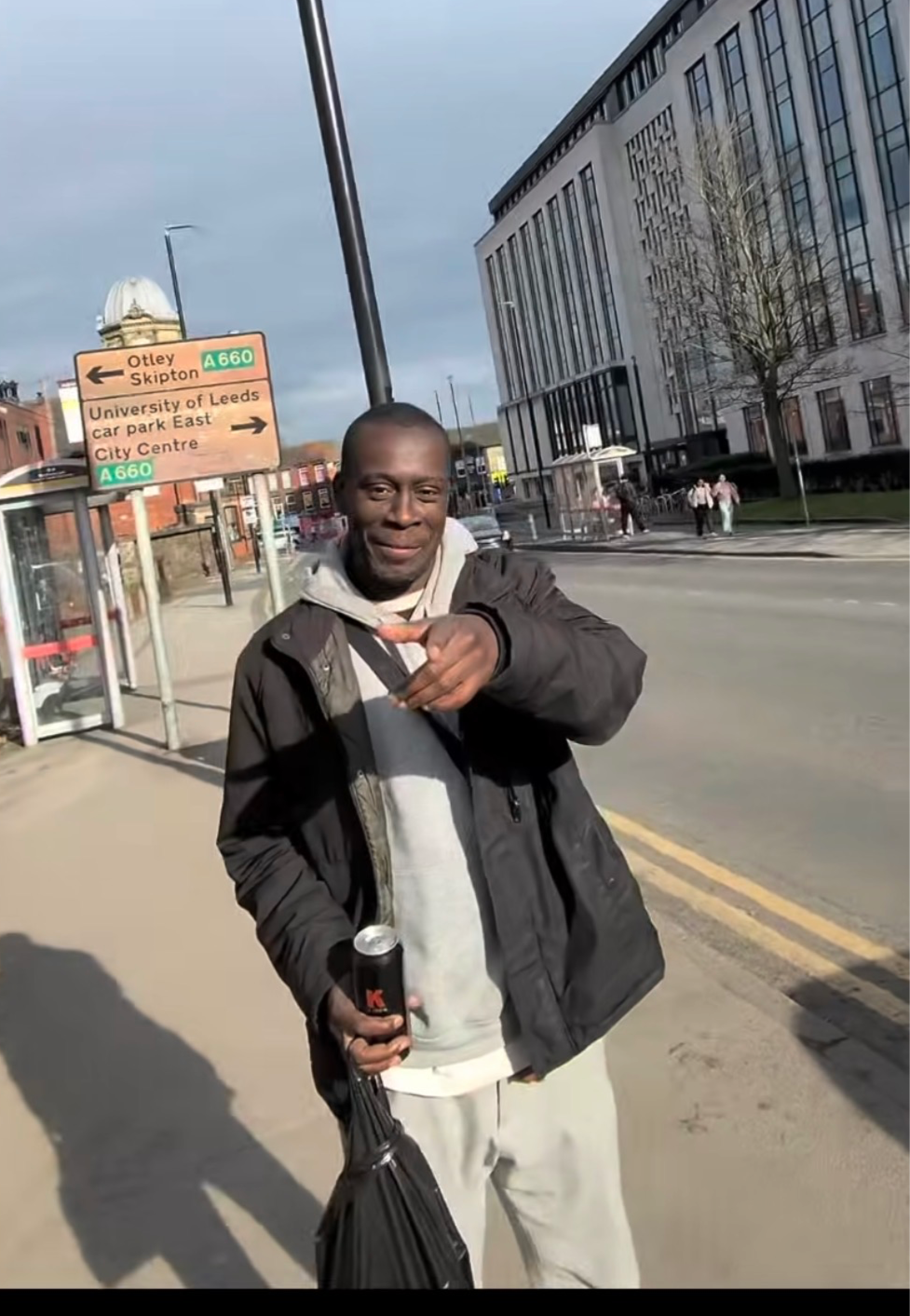
Homelessness changes the shape of everyday life
It’s easy to think about homelessness as not having a roof. That’s part of it, of course, but it’s not the whole story.
Homelessness reaches into everything.
It can decide when someone sleeps, where they can wash, how they protect their belongings, whether they feel safe enough to close their eyes, and whether they have a clean shirt before speaking to another person. It can turn normal tasks into exhausting ones.
For Dimond, the days could feel long before they’d even properly started. Finding water mattered. Staying clean mattered. Keeping clothes fresh mattered. Staying warm mattered. Holding on to confidence mattered too, even when life kept making that difficult.
Small things became big things.
A clean pair of socks could mean walking with less pain. A bottle of water could mean getting through the day with more strength. Soap, toothpaste, deodorant, and a towel could mean feeling human again after days of discomfort. Fresh clothes could mean looking in the mirror, or a shop window, and recognising yourself a little more clearly.
None of these things fixes homelessness on their own. They don’t replace safe housing, steady support, or long-term care. But they do help someone get through today with more comfort and dignity. And sometimes, today is the place where hope starts.
Diamond’s story reminds us that people experiencing homelessness aren’t defined by what they lack. They’re people with memories, humour, pride, worries, and plans. They’re people trying to keep going while carrying burdens many of us can’t see.
Meeting Diamond with respect came first
When our charity met Diamond, the first step wasn’t to make assumptions. It was to listen.
That matters. People experiencing homelessness are often spoken about more than they’re spoken with. They can be ignored in doorways, hurried past on pavements, or treated like a problem to manage instead of a person to understand.
Dimond didn’t need pity. He needed practical help given with respect.
So our team offered the basics he asked for and needed most:
Fresh clothes that helped him feel more comfortable
Hygiene products to support cleanliness and confidence
Clean drinking water to help him stay well through the day
A calm, friendly conversation without judgement
These items sound simple because they are simple. But simple doesn’t mean small.
For someone living without stable shelter, keeping clothes clean can be incredibly hard. Washing regularly isn’t always possible. Carrying everything you own can mean choosing between what is useful and what is too heavy. Finding safe drinking water can take time and energy that’s already stretched thin.
That’s why practical giving matters. It meets someone where they are. It says, “You matter right now, exactly as you are.”
Dimond noticed that.
“People walk past like you’re not there,” he said. “When someone stops and helps, it reminds you that you’re still somebody.”
That sentence stayed with us. Because it gets to the heart of why this work matters.
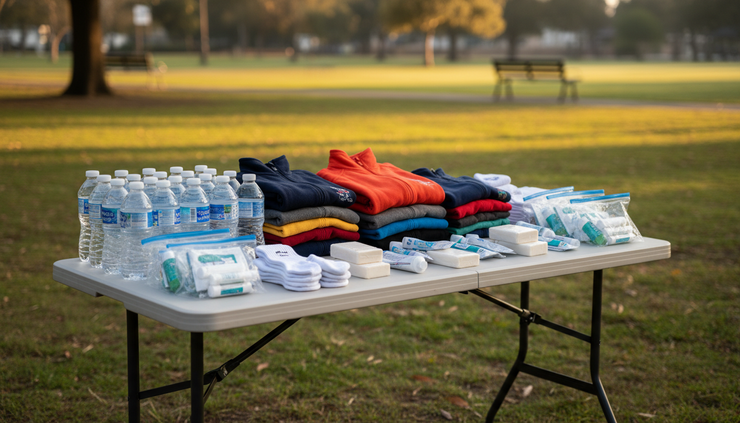
Fresh clothes helped Dimond stand a little taller
Clothing is often treated as a basic need, and it is. But it’s also tied closely to how we feel about ourselves.
Think about how different it feels to face the day in clean clothes compared with clothes that are damp, dirty, or worn out. Now imagine not having easy access to a washing machine, a safe place to store your things, or money to replace what gets damaged.
For Dimond, receiving fresh clothing wasn’t only about warmth or comfort. It helped him regain a bit of control.
Clean clothes can change how a person moves through the world. They can make someone feel less exposed. They can reduce the fear of being stared at or judged. They can help someone feel ready to speak to services, attend an appointment, ask for work, reconnect with family, or simply walk down the street with their head up.
Dimond described it in a way that was simple and powerful.
“Putting on clean clothes made me feel like I could breathe again,” he said. “I felt stronger, like I could face people.”
That feeling matters.
Self-esteem doesn’t disappear because someone becomes homeless. But it can be chipped away by constant stress, rejection, and the daily struggle to meet basic needs. Every respectful act of support helps push back against that.
A clean hoodie, a fresh T-shirt, dry socks, and a change of underwear may not sound dramatic. But for Dimond, those things offered comfort and a renewed sense of self. They helped him feel less trapped by his circumstances.
Dignity often begins with the basics.
Hygiene products gave him more than cleanliness
Hygiene is deeply personal. When someone can’t wash properly or care for their body in the way they’d like, it can affect confidence, health, mood, and social connection.
For people facing homelessness, hygiene can be one of the toughest challenges. Public facilities may be limited. Toilets may not feel safe. Showers may not be available when needed. Even carrying products like soap, toothpaste, deodorant, sanitary items, wipes, or a towel can be difficult when space is tight.
That’s why our charity includes hygiene products in the support we provide. These aren’t extras. They’re essentials.
For Diamond, receiving hygiene items helped him feel more prepared for the day ahead. It gave him a way to care for himself at a time when life had made that care harder to access.
There’s something powerful about being able to brush your teeth, wash your face, use deodorant, or dry yourself with a clean towel. These things help a person feel present again. They can ease shame. They can make conversations feel less intimidating. They can help someone feel less cut off from everyday life.
Dimond put it gently.
“It’s not just the soap or the water,” he told us. “It’s knowing someone thought I was worth helping.”
That idea, being worth helping, is at the centre of this story.
Homelessness can make people feel invisible. Not because they are invisible, but because they’re too often treated that way. A hygiene kit can’t solve everything. But when it’s given with kindness, it says something clear: your comfort matters, your body matters, your dignity matters.

Clean water brought relief in the moment
Water is one of the most basic needs there is. Still, for someone living without safe and stable accommodation, access to clean drinking water isn’t always simple.
A bottle of water can mean relief after hours outside. It can mean taking medication safely. It can mean washing hands, rinsing a toothbrush, or just getting through a hot or tiring day with a little more ease.
When our team gave Diamond clean water, it wasn’t treated as a grand gesture. It was the minimum anyone should have. But the impact was immediate.
He drank, paused, and seemed to settle slightly. That’s something outreach workers notice often. When the body gets what it needs, even in a small way, the person can take a breath. The pressure drops for a moment.
That moment matters.
People sometimes ask what difference a bottle of water or a hygiene kit can make when the bigger issue is homelessness itself. It’s a fair question. The answer is that immediate care and long-term support are connected.
You can’t ask someone to plan for next month if they’re struggling to get through this afternoon. You can’t expect someone to keep appointments if they don’t have clean clothes, a wash, or enough water. You can’t build trust by ignoring the need right in front of you.
Practical support opens the door to conversation. Conversation builds trust. Trust can lead to further help.
That’s why our work starts with simple, human care.
Feeling visible can be the start of hope
The word Diamond came back to was “seen”.
That word carries weight. To be seen is to be recognised as a person, not a situation. It means someone has noticed your discomfort and cared enough to respond. It means your presence hasn’t been brushed aside.
For Dimond, receiving fresh clothes, hygiene products, and water helped restore more than comfort. It helped restore visibility.
He told us:
“When you’re out here, you can start to feel like you don’t count. Today, I felt seen. I felt stronger.”
That’s why stories like Diamond’s deserve to be shared with care. They don’t ask us to look away from the hard parts. Homelessness is frightening, tiring, and often lonely. People face cold nights, unsafe spaces, poor sleep, hunger, judgement, and long waits for help.
But Diamond’s story also shows what can happen when people respond with kindness instead of distance.
A clean set of clothes can help someone stand taller. A hygiene kit can help someone feel ready to speak to others. A bottle of water can bring relief. A warm conversation can remind someone that they still belong.
And that sense of belonging can be a powerful thing.
Diamond’s journey is still unfolding
Hope doesn’t usually arrive all at once. It often comes in small pieces.
For Diamond, one of those pieces was fresh clothing. Another was clean water. Another was the chance to care for himself with basic hygiene products. Another was being met with kindness, without being rushed, blamed, or judged.
His situation didn’t become easy overnight. Homelessness rarely works that way. There are still challenges ahead, and support needs to be steady, practical, and patient. But something shifted that day.
Diamond felt seen.
And when someone feels seen, they may also begin to feel safer asking for more help. They may feel more able to attend an appointment, speak honestly, or take the next small step. They may remember that their life is not defined by the hardest chapter they’re living through.
That’s the kind of hope our charity believes in. Not vague hope. Not the kind that pretends everything is fine. Real hope, built from care, dignity, and practical action.
Dimond’s words say it best:
“I don’t feel invisible today. I feel like I can keep going.”
That’s why we keep showing up.
Homelessness is not just a housing issue. It’s also a human issue. It affects confidence, health, safety, identity, and connection. The people facing it deserve more than passing sympathy. They deserve support that meets real needs and protects dignity along the way.
Dimond’s journey from homelessness to hope is still being written. But on the day he received fresh clothes, hygiene products, and water, one thing was clear: kindness had made a difference.
Sometimes support looks simple from the outside. To the person receiving it, it can feel like proof that they still matter.
And everyone deserves to feel that.
Comments